









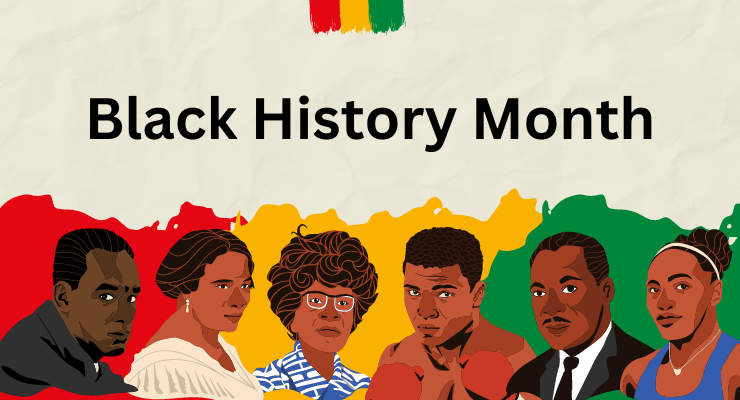
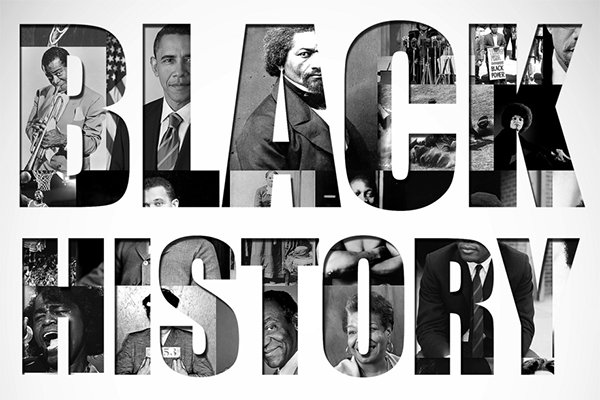
In America Black History Month is observed every February as a time to celebrate and recognize the achievements, resilience, and contributions of African Americans throughout history. At first, Black History Month started in 1926 as “Negro History Week,” established by Carter G. Woodson, an American historian, author, journalist, and founder of the Association for the Study of African American Life and History (ASALH). It was later recognized in 1978 and designated by Congress in 1986.
For some people, during Black History Month, they celebrate the best they can; they do educational events and fun activities with their communities, churches, and clubs, etc. They do this to honor African Americans and their contributions. Now, for some people, celebrating and acknowledging what African Americans do for Black History Month is not just for one month; they celebrate it all year round- 24-7. February 1 through February 28th are really days that are just another day.
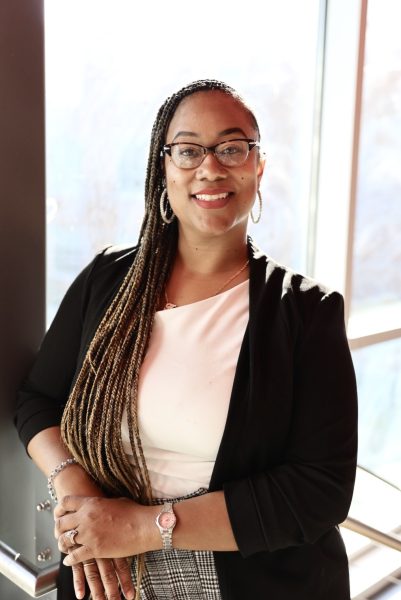
To talk and learn/highlight Black History Month, I interviewed one of our own teachers of Capital City High School in the special education department, Mrs. Kellee Mitchell, and I asked her about her approach and teaching of Black History Month in her class. She talked about her approach, key figures that are unknown, and even some key points that teachers and students like me can learn from.
Q.
How do you usually teach Black History Month in class, and why do you think it
Matters?
I focus on teaching the unknown African American figures because it is important to shed light on the contributions of African American politicians, inventors,entertainers, activists, and community leaders who are often overlooked. While names like Martin Luther King, Jr., Rosa Parks, Harriet Tubman, Malcolm X, and Sojourner Truth are widely known; there are countless others whose stories deserve to be heard. Our culture has always been rooted in strength, a legacy that dates back to the days of slavery. Today, we are thriving and accomplishing far more than just surviving our struggles. These struggles shaped who we are and taught us resilience, and it is our duty to honor our ancestors. When we achieve and exceed expectations, we not only pay homage to them, we make them proud. Martin’s dreams became our reality, and by exploring the unknown, we deepen our understanding of Black history and why it truly matters.
Q.Are there any Black figures or events that you think everyone should know
about?
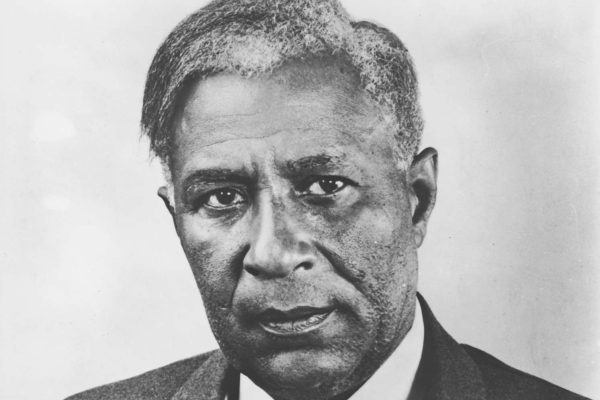
- Without Garret Morgan, how would traffic flow and firefighters save lives?
- Without Lewis Latimer, Motel Six wouldn’t be able to always leave the light on.
- Without Gabby Goodwin, how would our African American young girls decorate and accessorize their hair with bows and secure their hairstyles?
- Without Dr. Gladys West how would we travel with the assistance of GPS?
- Without Lisa Gelobter, how would we express ourselves with GIFS (Graphics Interchange Format) through text messages and social media?
- Without Bill Russell, what would the game of basketball look like?
7. Without Dr. Daniel Hale Williams, how would we repair our hearts?
Q.How do you make sure Black history is part of your lessons all year, not just inFebruary?
As an African American, I am proud to say, “I am Black (Brown), and I am making history every day—that is Black History. Every time I step into the classroom, I have the power to change a life, shift a perspective, and help someone discover their purpose.”
Q. What kind of resources or ideas do you use to make your lessons about Black
Is history interesting and accurate?
The internet is a powerful tool, but its true power
is unlocked when students learn how to use it with purpose. When students search for
The unknown, they dig deeper, think critically, and take ownership of their learning.
Research becomes more than an assignment, it becomes a journey of discovery.
Sharing what they learn about an unknown African American figure gives students a
sense of pride and responsibility, knowing they are bringing untold stories to light. As
knowledge is shared, the classroom comes alive, filled with curiosity, confidence, and
the bright spark of engagement that only meaningful learning can create.
Q. Has learning or teaching Black history changed the way you see history—or the
World?
Each year, I continue to learn alongside my students as they research
unknown African American figures whose stories are often left untold. I also have the
opportunity to share some of my own lesser-known figures, and watching the
classroom light up feels like a special gift waiting to be unwrapped. No matter their
skin tone, every student becomes excited, eager to share, and proud to showcase the
knowledge they’ve gained while exploring unknown activists, community leaders,
entertainers, scientists, inventors, and entrepreneurs. In those moments, learning
becomes collective, empowering, and truly alive.
Q. What tips would you give students or other teachers who want to learn more
about Black history or support racial equality in school?
Be certain to look into what may seem uncertain. Don’t be afraid to explore things that feel unfamiliar,unclear, or overlooked, because there is value and truth to be found there. Searching the unknown, uncovering hidden histories, and finding meaning beyond what we’re first taught is the real key to unlocking the knowledge hidden within.
Black History isn’t just one month celebrated from February 1st to February 28th. For Ms. Mitchell, Black History is shown in her classroom, outside of the classroom, and it is discussed and talked about. For students, this realization should be very prominent for us, not only for now but for the future. Black history isn’t optional; it is an essential part of American history. So why not learn and celebrate it every day?